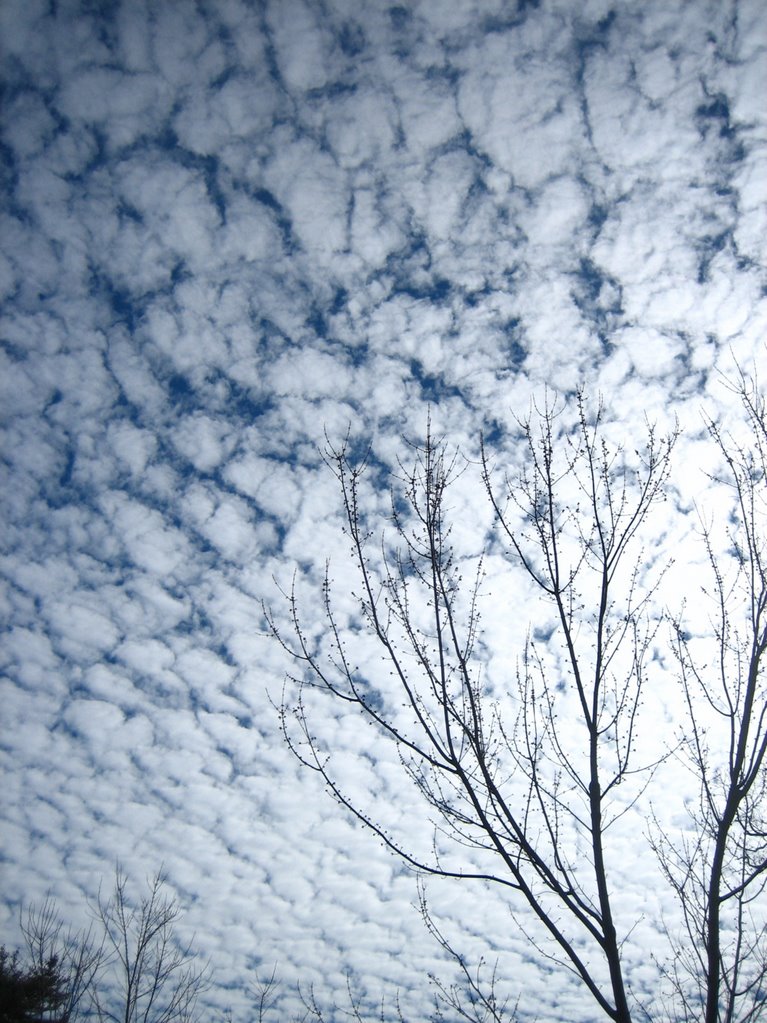
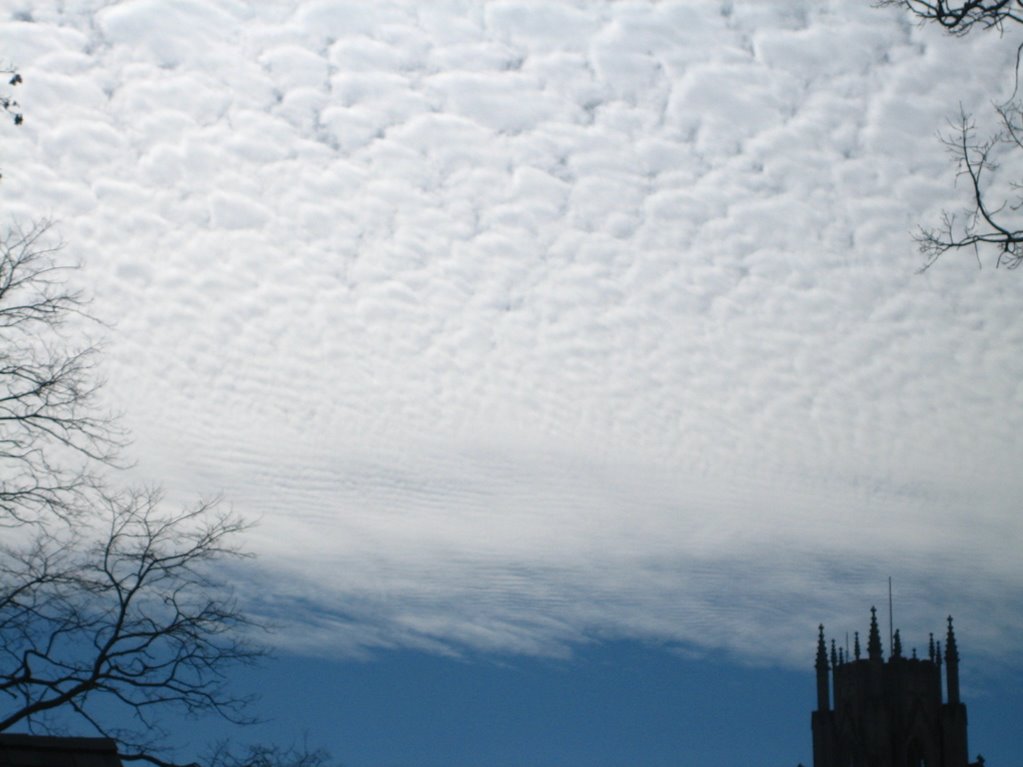
The immense micro-worlds of bryophytes, pterophytes, and the Gondwana-relic Nothofagus. Can't get enough!
17 May, 2007
P-a-L R: New Zealand Forests: Beech, Moss & Fern
The immense micro-worlds of bryophytes, pterophytes, and the Gondwana-relic Nothofagus. Can't get enough!
The Southern Alps


Only 5 million years old, more or less, the "Southern Alps" is the mountain chain that runs longways nearly the entire length of the South Island of New Zealand. In the south, it spreads into an entire glacier-carved region lovingly called FIORDLAND. The Southern Alps run along the Alpine Fault between 2 tectonic plates, and nearly the entirety of the mountain chain is contained within several national parks. The most notably beautiful regions in the range can be found at Arthur's Pass in the north (pic 1), Mt. Cook/Aoraki in the central S.I. (pic 2), and Mt. Aspiring National Park (pic 3), just above the fiordland. For the geologic youth of the range, a evolutionarily ASTONISHING number of specially adapted alpine species roam the tussock grass above treeline on these mountains, including over 20 species of Alpine Cicada, alpine geckos, and the Kea (pic 4), the world's only alpine parrot. Also, there is the Upland moa (extinct, discovered in 1990s), a species of GIANT flightless bird, kind of like an Ostrich with "Cankles," which was hunted to extinction by the immigration of humans to the New Zealand islands from Polynesia.
A M A Z I N G
Yours,
E.M. Keen, lame-duck Prefect
12 March, 2007
P-a-L R: Down with Marsupials!
Down UNDER, that is. Ha! Australia is a world where the mammalian placentals (besides the higher primates that tend to congregate in the urban areas) are the minority, and the marsupial diversity isn't limited to the gruesome beady-eyed O-possum of North America - we're talking everything from sugar gliders and wombats to the macropods - the kangaroos and wallabies. I was fortunate enough to see 4 species of wallaby and the 3 largest species of kangaroo (the Easter and Western Grey and the infamous but ugly Red Kangaroo) in the wild and I even got to race a few of them down some running trails on Kangaroo Island.
But that was nothing compared to my 3 encounters with the short-beaked echidna, one of 3 species in the subclass Monotrema that are still extant in the world today. The above picture is of my first encounter, during possum patrol one night in Dandegong Ranges National Park in Victoria.
This is the Prefect's final entry on the subject of Australia, and subsequent posts will henceforth focus on the prehistorically mammal-less island nation of Aotearoa, "the Land of the Long White Cloud," or in the woods of its European discover Abel Tasman, Novae Seelandiae.
07 March, 2007
P-a-L R: Endemic Australian Reptilia


Australia hosts more species of reptiles than any other country on earth. 89% - EIGHTY NINE PERCENT - of these species are endemic. 795 species of extant native reptiles. That means 708 endemic reptiles. This means one tenth of the world's reptiles live ONLY in Australia.
Australia is also host to some of the most outrageous and venomous snakes in the world, including the world's most venomous, the FIERCE snake (see picture of the late great Steve Irwin). In the top ten of this list is also the Tiger Snake, one of which was found trying to sneak into my Kangaroo Island trailer (see picture).
In contrast to the Australian mainland, Kangaroo Island only has 2 snake species, but it is host to an endemic species of the Goanna lizards (see picture).
Snakes really are everywhere in Australia; I can't tell you how many slithered over my feet in the bush or even on the streets of the Sydney suburbs.
Sadly for me, New Zealand is completely lacking in these legless wonders.
Until next time,
Da Prefect
Australia is also host to some of the most outrageous and venomous snakes in the world, including the world's most venomous, the FIERCE snake (see picture of the late great Steve Irwin). In the top ten of this list is also the Tiger Snake, one of which was found trying to sneak into my Kangaroo Island trailer (see picture).
In contrast to the Australian mainland, Kangaroo Island only has 2 snake species, but it is host to an endemic species of the Goanna lizards (see picture).
Snakes really are everywhere in Australia; I can't tell you how many slithered over my feet in the bush or even on the streets of the Sydney suburbs.
Sadly for me, New Zealand is completely lacking in these legless wonders.
Until next time,
Da Prefect
06 March, 2007
P-a-L-R: The Geology of Australia
Although Oz is infamous for its Outback, its barren oxide-rich dust plains and beautiful sandy surfing beaches, it is chock-full of some of the most stunning, outrageous, and unique geologic formations this side of the equator. During my travels in the Great Dividing Range and along the dynamic coastline of eastern Australia, I was fortunate to catch glimpses of some of these rocky phenomena. Here is a photographic account of several such outcrops, holes, how'd-tha-happens, and whazzits of the Australian litho-scene. For a thrilling account of their orogenies and windblown trials throughout geologic time, I am afraid you will have to wait for my conclusive presentation upon my return next semester. Or look it up yourself...but I guarantee the presentation will be cooler.
Yours, tall and truly,
Prefect Keen
Pictured: The Three Sisters (Blue Mountains National Park), The Remarkable Rocks (Kangaroo Island, South Australia - a crazy random granite uplift), the 12 Apostles (Great Ocean Road, Victoria), Razorback (Great Ocean Road), King George Bay (Kangaroo Island)
Yours, tall and truly,
Prefect Keen
Pictured: The Three Sisters (Blue Mountains National Park), The Remarkable Rocks (Kangaroo Island, South Australia - a crazy random granite uplift), the 12 Apostles (Great Ocean Road, Victoria), Razorback (Great Ocean Road), King George Bay (Kangaroo Island)
01 March, 2007
Woodcocks and Spotted Salamanders
Twenty seven people gathered on the old road bed near the Sewanee airport last night (28 Feb) to have thier ears and souls tickled by the sweet "peeent" of the love-struck American Woodcock. One male woodcock also treated us to a couple of aerial flight displays. The moon glowed down on it all through cirrus clouds, shining in a halo.
Earlier in the afternoon, the Biol 131 lab found a spotted salamander at the pond at the end of Brakefield Road and one egg mass. The amphibian mating frenzy is very late this year...
26 February, 2007
P-a-L R: Australia Birding: Species List
Australia is a birder's dream, with a range of volant and satite Dino-kin, diversity-saturated due to both island and contintental habitats and climates. Seriously, even the pigeons are cool. And the parrots, my God, the parrots! Approximately 85 species were seen in my limited time with binoculars, 75 of those are unique to Austalasia and Oceania.
O.Anseriformes
f.Anatidae
Anas gibberifrons Grey teal
Anas platyrhynchos Mallard duck
Anas quarquedula Garganey
Cereopsis novaehollandiae Cape Barren Goose
Chenonetta jubata Australian wood duck
Cygnus atratus Black swan
O.Apodiformes
f.Apodidae
Apus pacificus Fork-tailed swift
O.Charadriformes
f.Charadriidae
Thinornis rubricollis Hooded Plover
Vanellus novaehollandiae Spur-winged plover
f.Haematopodidae
Haematopus fuliginosis Sooty Oystercatcher
Haematopus longirostris Pied Oystercatcher
f.Laridae
Larus novaehollandiae Silver gull
Larus pacifica Pacific gull
Sterna bergil Crested tern
Sterna caspia Caspian tern
f.Scolopacidae
Burhinus grallarius Bush-stone Curlew
Calidris acuminata Sharp-tailed sandpiper
O.Ciconiiformes
f.Ardeidae
Ardea pacifica White-necked heron
Ardeola ibis Cattle egret
Egretta alba Large egret
Egretta novaehollandiae White-faced heron
f.Threskiornithidae
Threskiornis molucca White ibis
Plegadis falcinellus Glossy Ibis
O.Columbiformes
f.Columbidae
Columba livia Rock dove
Ocyphaps lophotes Crested pigeon
Streptopelia chinensis Spotted turtledove
O.Coraciiformes
f.Alceninidae
Dacelo gigas Laughig kookaburra
O.Falconiformes
f.Accipitridae
Aquila audax Wedge-tailed eagle
Elanus axillaris Black-shoulderd kite
Haliaetus leucogaster White -breasted sea eagle
O.Galliformes
f.Megapodiidae
Alectura lathami Brush Turkey
Gallinulla ventralis Black-tailed native hen
f.Phasianidae
Pavo cristatus Indian peafowl
O.Gruiformes
f.Gallidae
Gallinula tenebrosa Dusky moorhen
O.Passeriformes
f.Corvidae
Corvus coronoides Australian raven
f.Cracticidae
Cracticus nigrogularis Pied butcherbird
Gymnorhina tibicen Australian magpie
Strepera graculina Pied currawong
f.Hirundinidae
Hirundo neoxena Welcome swallow
f.Maluridae
Malurus cyaneus Superb fairy wren
f.Meliphagidae
Acanthagengs rufogularis Spiny-cheeked Honeyeater
Acanthorhynchus tenuirostris Eastern spinebill
Anthochaera carunculata Red wattlebird
Manorina melanocephala Noisy miner
Phylidonyris pyrrhoptera Crescent honeyeater
f.Menuridae
Menura novaehollandiae Superb Lyrebird
f.Motacillidae
Rhipidura leucophrys Willie wagtail
f.Muscicapidae
Rhipidium fuliginosa (alisiari) Grey fantail
f.Pachyephalidae
Pachycephela refiventris Rufous whistler
f.Passeridae
Passser domesticus House sparrow
f.Sturnidae
Sturnus vulgaris Common Starling
f.Sylviidae
Acrocephalus stentoreus Clamorous reed warbler
Cincloramphus cruralis Brown songlark
Colluricincla fuliginosus Striated fieldwren
Pycnoptilus floccosus Pilotbird
f.Turdidae
Petroica multicolor Scarlet robin
f.Tyrannidae
Microeca fascinans Jacky winter
f.Zosteropidae
Zosterops lateralis Silvereye
O.Pelecaniformes
f.Pelecanidae
Pelecanus conspicillatus Australian pelican
f.Phalacrocoracidae
Phalacrocorax carbo Great cormorant
Phalacrocorax fuscescens Black cormorant
Phalacrocorax melanoleucus Little Pied Cormorant
Phalacrocorax varius Pied cormorant
O.Psittaciformes
f.Psittacidae
Cacatua galerita Sulfur-crested cockatoo
Cacatua roseicapilla Galah
Calyptorhynchos magnificus Red-tailed black cockatoo
Calyptorhynchus funereus Yellow-tailed lack cockatoo
Calyptorhynchus lathami Glossy Black Cockatoo
Neophema petrophila Rock parrot
Pratycercus elegans Crimson rosella
Psephotus haematonatus Red-rumped parrot
Trichoglassus haematodus Rainbow lorikeet
O.Sphenisciformes
f.Spheniscidae
Eudyptula minor Little Penguin
O.Struthioniformes
f.Dromaiidae
Dromaius novaehollandiae Emu
22 February, 2007
P-a-L R: Australia Conquered
Greetings, Naturalists and friends of the Society.
I was fortunate enough to survive the perilous Muscidae and boisterous Corvidae of the Australian bush, through which I rambled for the month of January 2007. In subsequent posts I will be highlighting different aspects of Naturale History Phenomena encountered, featuring photos and brief explanations of each wonder from Down Under I saw. For the remainder of the semester, now that stable and consistent LAN communication has been established in my office on the South Island of New Zealand, I will literally keep you posted on phenomena and interesting tidbits in a running cascade of weekly updates. I do hope all is well back at HQ. This is the Prefect, signing out.
07 February, 2007
05 February, 2007
Woods Reservoir Trip
From the chilly shores of Woods Res, the SNHS spotted the following feathered dinosaurs. The loons and the eagle were the highlight. I've never seen so many loons in one spot! The eagle circled several times, really close, then dived down to get a yummy dead fish, then flew off again. Great looks at this incredible bird!
Participants:
Angie Langevin, Elspeth Iralu, Daniel McCoy, Jake Sberna, Diana Patterson, Valerie Moye, David Haskell
Canada Goose 78
Mallard 4
Ruddy Duck 1
Common Loon 88
Pied-billed Grebe 44
Horned Grebe 6
Turkey Vulture 8
Bald Eagle 1
Sharp-shinned Hawk 1
Red-tailed Hawk 1
American Coot 85
Killdeer 2
Bonaparte's Gull 1
Ring-billed Gull 33
Belted Kingfisher 3
Red-headed Woodpecker 1
Blue Jay 4
American Crow 15
Northern Mockingbird 6
Cedar Waxwing 9
Song Sparrow 5
Dark-eyed Junco 1
Northern Cardinal 2
Common Grackle 8
Participants:
Angie Langevin, Elspeth Iralu, Daniel McCoy, Jake Sberna, Diana Patterson, Valerie Moye, David Haskell
Canada Goose 78
Mallard 4
Ruddy Duck 1
Common Loon 88
Pied-billed Grebe 44
Horned Grebe 6
Turkey Vulture 8
Bald Eagle 1
Sharp-shinned Hawk 1
Red-tailed Hawk 1
American Coot 85
Killdeer 2
Bonaparte's Gull 1
Ring-billed Gull 33
Belted Kingfisher 3
Red-headed Woodpecker 1
Blue Jay 4
American Crow 15
Northern Mockingbird 6
Cedar Waxwing 9
Song Sparrow 5
Dark-eyed Junco 1
Northern Cardinal 2
Common Grackle 8
Subscribe to:
Posts (Atom)